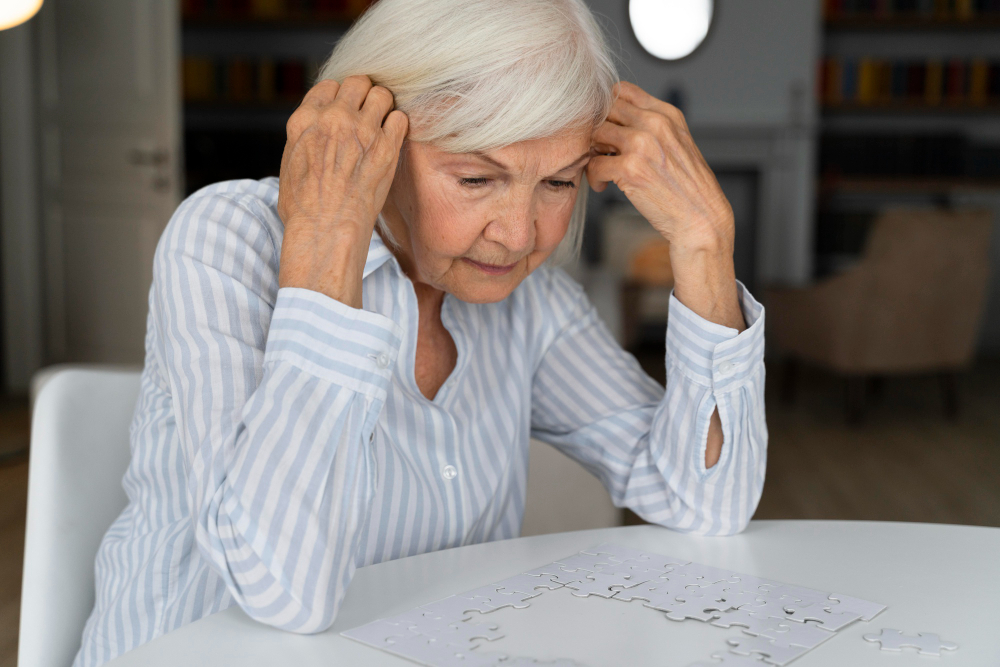
Dementia vs Alzheimer’s Disease is a common topic for many families. Both terms are often used together, but they are not the same. Dementia is a general term for memory loss and thinking problems. Alzheimer’s disease is the most common type of dementia. Understanding the difference between dementia and Alzheimer’s can help you spot early signs and seek the right care. This knowledge is important for better support and treatment.
What is Dementia?
Dementia is not a single disease. Instead, it describes a group of symptoms that affect memory, thinking, and social skills. These changes make daily life harder. For example, a person with dementia may forget names or get lost in familiar places. According to the World Health Organization (WHO), over 55 million people worldwide have dementia. The condition mostly affects older adults, but it is not a normal part of aging.
What is Alzheimer’s Disease?
Alzheimer’s disease is a specific brain disorder. It is the leading cause of dementia, making up 60-70% of cases. In Alzheimer’s, brain cells slowly die. This causes memory loss, confusion, and changes in behavior. The disease gets worse over time. Although it usually starts after age 65, early-onset Alzheimer’s can appear in younger people. The Centers for Disease Control and Prevention (CDC) notes that Alzheimer’s is a major health concern worldwide.
Key Differences Between Dementia and Alzheimer’s Disease
So, while the terms are related, they are not the same. Knowing the difference between dementia and Alzheimer’s helps with early care and planning.
Common Symptoms
Both dementia and Alzheimer’s disease share many symptoms. However, the early signs of dementia may differ from those of Alzheimer’s. Watch for these common symptoms:
Sometimes, symptoms may start mild and get worse over time. Early signs of dementia can be subtle, so it is important to pay attention.
Causes and Risk Factors
Dementia has many causes. Alzheimer’s disease is the most common, but other causes include:
Several risk factors increase the chance of developing dementia or Alzheimer’s:
While some risks cannot be changed, others can be managed with healthy habits.
Diagnosis Methods
Doctors use several steps to diagnose dementia and Alzheimer’s disease. First, they review medical history and symptoms. Next, they may do:
Early diagnosis helps with planning and treatment. If you notice early signs of dementia, talk to a doctor soon.
Treatment and Management Options
There is no cure for dementia or Alzheimer’s disease. However, treatment can help manage symptoms and improve quality of life. Common Alzheimer’s treatment options and dementia care include:
In some cases, doctors may treat other health issues that make symptoms worse. Early care can make a big difference.
Prevention and Lifestyle Tips
Although not all cases can be prevented, healthy habits may lower your risk. Try these tips:
These steps support brain health and may delay the start of symptoms.
Conclusion
In summary, dementia vs Alzheimer’s disease is an important topic for many families. Dementia is a group of symptoms, while Alzheimer’s is a specific disease. Both can affect memory, thinking, and daily life. Early signs of dementia or Alzheimer’s should not be ignored. Consult a neurologist at Dr. Pampaniya Neuro Hospital for personalized advice on dementia or Alzheimer’s disease.