Brain strokes are serious medical emergencies. They happen when blood flow to the brain is blocked or a blood vessel bursts. Understanding the types of brain strokes can help you spot symptoms early. Early action can save lives and reduce long-term problems. In this guide, we will explain the main types of brain strokes, their symptoms, causes, and treatment options. We will also share tips for stroke prevention and when to seek help.
What Is a Brain Stroke?
A brain stroke occurs when blood cannot reach parts of the brain. Without blood, brain cells start to die within minutes. Because the brain controls many body functions, a stroke can cause sudden weakness, trouble speaking, or even loss of consciousness. Strokes are a leading cause of disability and death worldwide. According to the World Health Organization (WHO), millions of people are affected by strokes each year. Knowing about stroke symptoms and types can help you act fast.
Main Types of Brain Strokes
There are three main types of brain strokes. Each type has different causes and symptoms. Let’s look at each one in detail.
Ischemic Stroke
Definition
An ischemic stroke happens when a blood vessel in the brain gets blocked. This blockage stops blood from reaching brain cells.
Causes
Key Symptoms
Hemorrhagic Stroke
Definition
A hemorrhagic stroke occurs when a blood vessel in the brain bursts. This causes bleeding in or around the brain.
Causes
Key Symptoms
Transient Ischemic Attack (TIA)
Definition
A transient ischemic attack, or TIA, is sometimes called a “mini-stroke.” It happens when blood flow to the brain is blocked for a short time. Symptoms last less than 24 hours and usually go away on their own. However, a TIA is a warning sign of a future stroke.
Causes
Key Symptoms
How Are Brain Strokes Diagnosed?
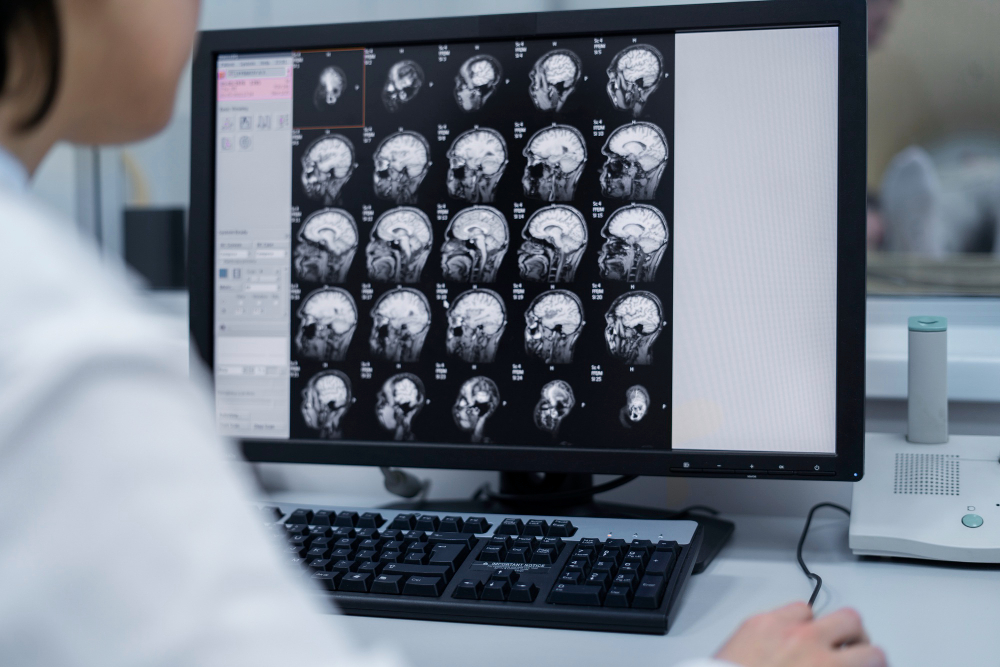
Doctors use several tests to diagnose brain strokes. Early diagnosis is important for the best treatment. Common tests include:
Doctors may also ask about your medical history and risk factors.
Treatment Options for Each Type
Treatment depends on the type of brain stroke. Quick treatment can limit brain damage and improve recovery.
Rehabilitation, such as physical or speech therapy, often follows treatment.
Prevention and Lifestyle Tips
Many strokes can be prevented. Healthy habits lower your risk. Here are some tips:
Regular check-ups can catch problems early.
When to Seek Medical Help
Act fast if you notice stroke symptoms. Quick action can save a life. Call emergency services if you or someone else has:
Remember, every minute counts during a stroke. Do not wait for symptoms to go away.
If you notice any symptoms of a brain stroke, consult at Dr. Pampaniya Neuro Hospital immediately for personalized advice.