Stroke is a medical emergency that happens when blood flow to the brain stops. In small towns, stroke can be even more dangerous. This is because quick treatment is often harder to get. Many people in rural areas may not know the signs of stroke or how to get help fast. Knowing stroke symptoms in rural areas, understanding stroke treatment access in small towns, and learning about preventing stroke outside cities can save lives.
What Is a Stroke?
A stroke happens when blood cannot reach part of the brain. As a result, brain cells start to die within minutes. There are two main types of stroke:
Both types are serious. However, quick action can help reduce damage.
Why Are Small Towns at Risk?
Many small towns face special challenges with stroke. For example, hospitals may be far away. Ambulance services may take longer to arrive. In addition, there may be fewer doctors and nurses. Because of this, people in small towns often have less access to stroke treatment. Awareness about stroke symptoms may also be lower. As a result, delays in care can lead to worse outcomes.
Common Symptoms of Stroke
Recognizing stroke symptoms in rural areas is very important. If you notice any of these signs, call emergency services right away:
Remember, acting fast can save a life.
Causes and Risk Factors
Several things can increase the risk of stroke, especially in small towns:
Environmental factors, like limited healthcare access, also play a role.
How Is Stroke Diagnosed?
Doctors use several methods to diagnose stroke. In small towns, some tests may not be available right away. However, the main steps include:
Sometimes, patients may need to travel to a larger hospital for these tests. Because of this, early recognition and fast action are key.
Treatment Options
Stroke treatment access in small towns can be limited. Still, there are options:
Calling emergency services right away is the most important step. Even in small towns, quick action can help save brain cells.
Prevention Tips for Small Town Residents
Preventing stroke outside cities is possible. Here are some practical tips:
Small changes can make a big difference.
Living After a Stroke in a Small Town
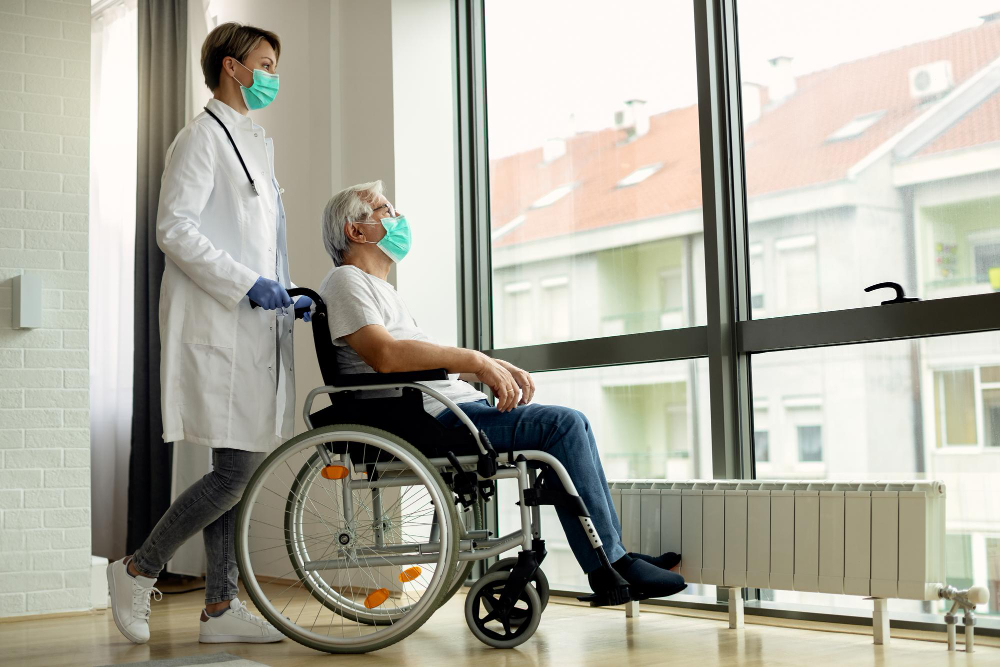
Recovery after a stroke can be hard, especially in rural areas. However, support is available. Many small towns have community groups or visiting nurses. Telemedicine can connect you with specialists. Family and friends play a big role in care. Joining support groups, even online, can help you feel less alone. With time and help, many people improve after a stroke.
Conclusion: If you or someone you know shows signs of a stroke — such as sudden weakness, trouble speaking, or loss of balance — seek medical help immediately. Quick action can save lives and improve recovery outcomes, even in smaller towns.
For expert evaluation and care, consult a neurologist at Dr. Pampaniya’s Neuro Hospital for personalised stroke management advice.